| PORTES GRÁTIS PARA ENCOMENDAS ACIMA DE 50€ + IVA, EXCEPTO PRODUTOS 4X4 (VÁLIDO APENAS PARA PORTUGAL CONTINENTAL) |

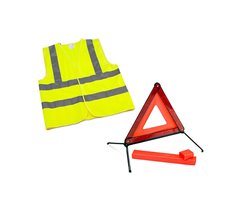
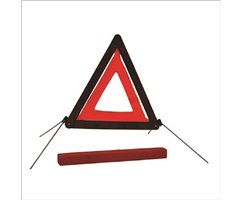
O.RANGE warning triangle with E4 27R042757 type-approval in accordance with European Standard ECE R27. Suitable for signalling stationary vehicles and emergency situations, it is a piece of safety equipment designed to increase visibility and alert other road users.
The O.RANGE Warning Triangle with CE marking is a piece of automotive safety and signalling equipment designed to indicate the presence of a stationary vehicle or an emergency situation on the road.
Its use enables other road users to be alerted to a situation that requires greater attention and caution.
The warning triangle is intended for use in situations where it is necessary to indicate the presence of a stationary vehicle on or near the road.
It can form part of the safety equipment carried in the car for use when required.
The O.RANGE Warning Triangle bears the type-approval mark E4 27R042757, in accordance with ECE Regulation R27 on warning triangles. The code E4 identifies the Netherlands as the country responsible for granting the type-approval.
If the vehicle breaks down or in any other situation requiring warning signs, remove the warning triangle and position it in accordance with the road safety regulations applicable where the vehicle is located.
When setting up or removing the warning triangle, take the necessary precautions to ensure the safety of the user and other road users.
After use, collect the equipment and stow it back in the vehicle.
Keep the warning triangle in a place in the vehicle where it can be found when needed. Before setting off on a journey, particularly to another country, it is recommended that you check the safety equipment required by the road traffic regulations applicable to the route.
This wording is preferable to specifying a fixed placement distance, as such rules may vary depending on the country and the situation.
Keep the warning triangle clean and in good working order.
After use, check that the equipment has been correctly folded away and secured before stowing it back in the vehicle.
If it shows any damage that could compromise its use or visibility, consider replacing it.
Data sheet

O.RANGE warning triangle with E4 27R042757 type-approval in accordance with European Standard ECE R27. Suitable for signalling stationary vehicles and emergency situations, it is a piece of safety equipment designed to increase visibility and alert other road users.
![CE signaling triangle [32.KZ-TRIA01]](https://auto-domus.com/18996-home_default/triangulo-de-sinalizacao-ce-32kz-tria01-.jpg)
![CE signaling triangle [32.KZ-TRIA01]](https://auto-domus.com/18997-home_default/triangulo-de-sinalizacao-ce-32kz-tria01-.jpg)